
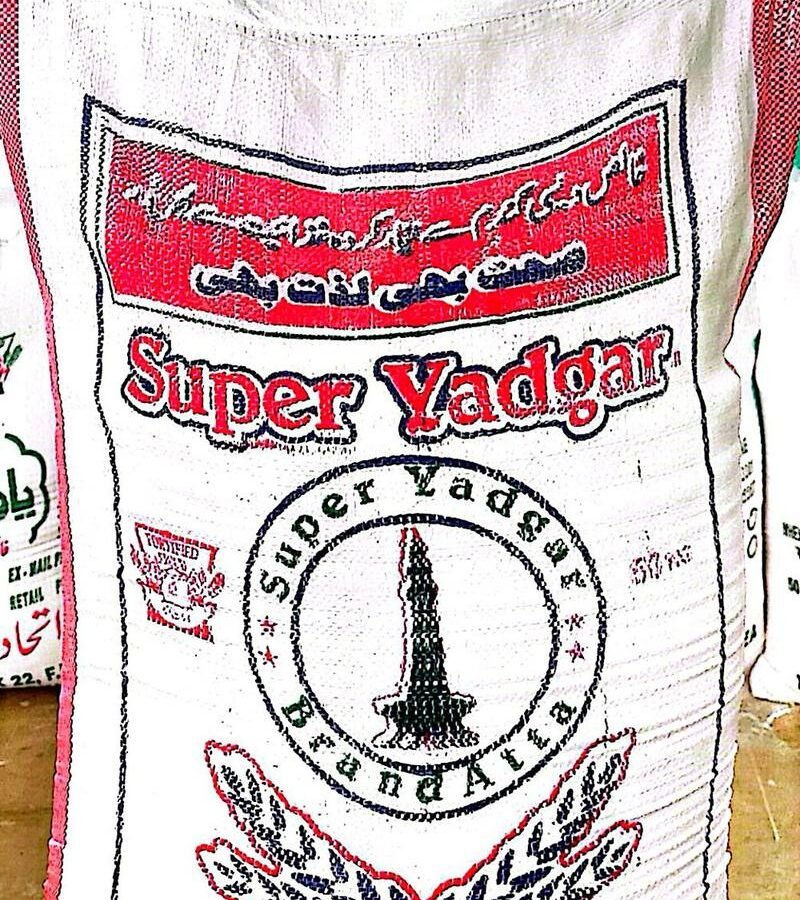
A tandoor or a bakery running on a known flour has something valuable, which is a dough that behaves the same way every morning. Switching supplier puts that at risk, and the risk is why many businesses stay with a mill they are not happy with for years longer than they should.
If you are considering a change, the conversation matters more than the rate sheet. These are the nine questions worth asking, and what a straight answer sounds like.
1. Can I have a sample sack of the exact grade you are quoting
Any mill that will not send a sample is telling you something. Ask for the grade and the weight you would actually buy, not a special bag prepared for the purpose. Mix your normal dough with it, in your own bakery, on a normal day.
2. What is the packed weight, and how is it verified
A 50 kg sack should hold 50 kg. Ask how the filling scales are calibrated and how often. On our sacks the packed weight is stencilled on the face beside the ex mill and retail price circles, which is the oldest and plainest form of accountability in the trade.
Short weight is the most common quiet cost in flour buying. Weigh three sacks from your first delivery yourself and you will know immediately who you are dealing with.
3. How consistent is the grind from batch to batch
Consistency is worth more than any single quality claim. Ask what is checked each shift and what happens when a reading drifts. The honest answer involves stopping production and correcting it, because that is the only thing that actually works.
We list the checks we repeat every shift on the milling and quality page.
4. How soon after milling will it reach me
Flour is at its best in the weeks after milling. A mill dispatching the same day it grinds is in a different position from one clearing old stock from a warehouse. Ask, and then check the delivery dates on your first few pallets.
5. What are the packing weights, and can I mix them on one order
A business that sells retail bags alongside its bread often wants 50 kg for the kitchen and 10 kg for the counter. Ask whether that can go on one delivery. Our packing weights run from 10 kg to 50 kg and are listed across the product range.
6. Is the flour fortified, and to what standard
Under the national programme, wheat flour is dosed with iron, folic acid and zinc at the mill. Ask to see the fortified mark on the sack. If you supply institutions, schools or anyone running a tender, you may need this in writing. Background on the standards is published by the Global Fortification Data Exchange.
7. Who do I call when something is wrong
This is the question that separates suppliers. Ask for the name of the person who answers when a delivery is late or a batch is off, and test it before you commit. A mill office that picks up the phone is worth a rupee or two a kilo on its own.
8. What are the payment and delivery terms, in writing
Rates quoted verbally have a way of changing. Get the rate, the delivery day, the minimum order and the payment terms written down, even informally. Ask specifically what happens to your rate when the wheat market moves, because it will.
9. Can I visit the mill
The most useful question of all. A mill that welcomes buyers on site has nothing to hide, and thirty minutes walking from intake to the packing floor will tell you more than any brochure. You will see how the wheat is stored, how clean the plant is, and whether the people working there look like they have been there a while.
Trade buyers are welcome at our mill in Block 22, F.B. Area. Call ahead so the office can walk you through between shifts, and read about how the plant is set up on our about the mill page.
How to run the switch itself
Do not change everything on a Monday morning. Run the new flour alongside your existing one for a week, on your quieter days first, and keep notes on water absorption and on how the bread is an hour after baking. Tell your head baker what you are doing rather than letting them discover it. Most failed switches are failures of communication, not of flour.
When you are ready to compare, tell us the grade, the weight and the monthly volume you move and we will come back with availability, rates and the nearest distributor.