
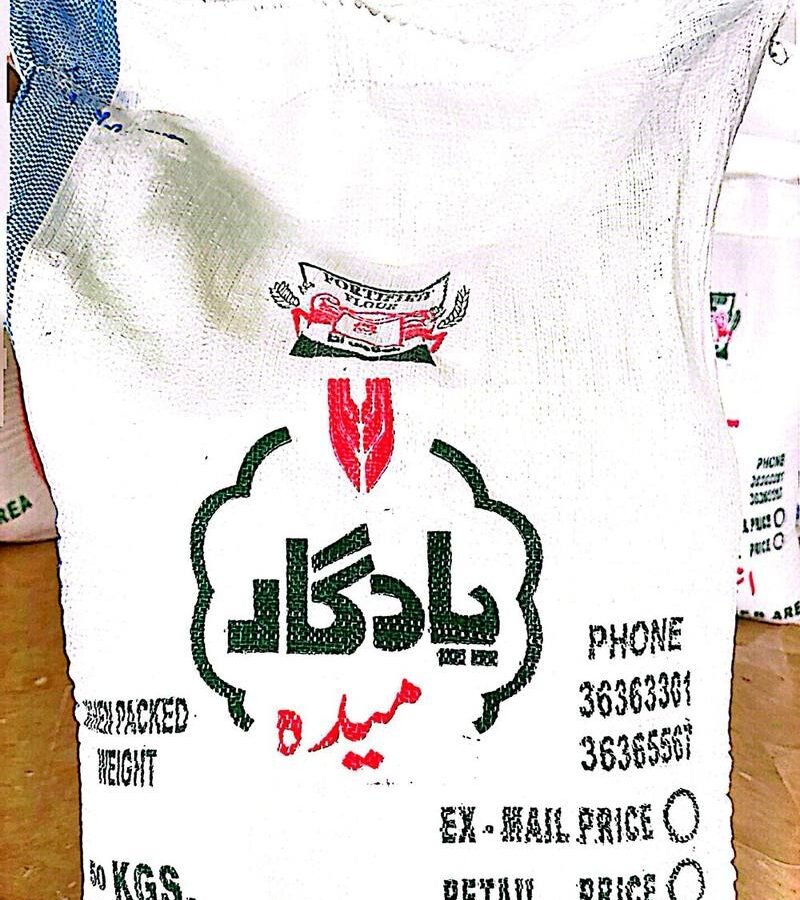
Walk into any wholesale market in Karachi and you will be offered atta, super fine atta and maida from the same mill, at three different rates. They all start as the same wheat. What separates them happens at the sifting stage, where the mill decides how much of the bran goes back into the flour and how fine the particles are allowed to be.
Here is what each one is actually for, and where people most often go wrong.
Fine atta, the everyday flour
Fine atta keeps a controlled proportion of the bran, which is why it is slightly darker, absorbs more water and tastes of something. That bran is also what keeps a roti soft and foldable an hour after it comes off the tawa.
Use it for: daily roti and chapati, paratha, tandoori roti and naan where you want body, poori, and any dough that has to sit for a while before it is cooked.
Watch out for: using it in a delicate cake and expecting a light crumb. The bran cuts through the gluten network as the batter rises.
Ours is sold as Yadgar Fine Atta and Dollar Fine Atta, in sacks from 10 kg up to 50 kg.
Super fine atta, for a lighter result
Super fine is milled to a higher extraction and passed through a finer mesh. Less bran, paler colour, smoother under the hand. Dough made with it is easier to roll thin without tearing.
Use it for: a lighter naan, khameeri roti, soft chapati for children or older family members, and anywhere the appearance of the bread matters as much as the flavour.
Watch out for: assuming it is a straight swap for fine atta in your usual recipe. It takes up slightly less water, so add liquid gradually the first few times or the dough will be soft and sticky.
Our version is Yadgar Super Fine Atta.
Maida, the bakery flour
Maida is milled from the inner endosperm alone. The bran and the germ are taken out during milling, which is why it is white, fine and predictable. Predictability is exactly what a bakery is paying for, because every recipe on the board is calibrated to a particular absorption rate.
Use it for: bread, bun, cake, biscuit, samosa and spring roll patti, puri, halwa and most sweets.
Watch out for: using it for daily roti. It will work, but the roti goes stiff quickly once it cools and you lose the fibre that comes with the bran.
Ours is Yadgar Maida, supplied to the same specification batch after batch.
Why mills can blend, and often should
Plenty of tandoors buy two grades and blend to their own ratio, most often fine atta with a proportion of super fine or maida to lighten the finished naan. This is a perfectly good way to work. It is also much easier when both grades come from the same mill and the same wheat programme, because the two flours behave predictably against each other.
If you are blending, write down the ratio and keep to it. The most common cause of a batch that suddenly fails is a helper who guessed the proportion on a busy morning.
A quick test before you commit to a supplier
Ask for a sample sack of the grade you are considering and mix your normal dough with it. Note three things: how much water it took compared with your usual flour, how the dough felt after resting, and how the finished bread was an hour later rather than straight out of the oven. That last one is where differences between mills show up most clearly.
If you want to understand what is happening inside the mill while these three grades are separated, we set the whole sequence out on the milling and quality page. For the wheat science behind extraction rates, the FAO handbook on wheat and flour processing is a good starting point.
In one line
Fine atta for daily bread, super fine for a lighter bread, maida for the bakery. When you are unsure, buy a sample of each and let your own dough decide. Ask the mill office and we will send the grades you want to compare.